

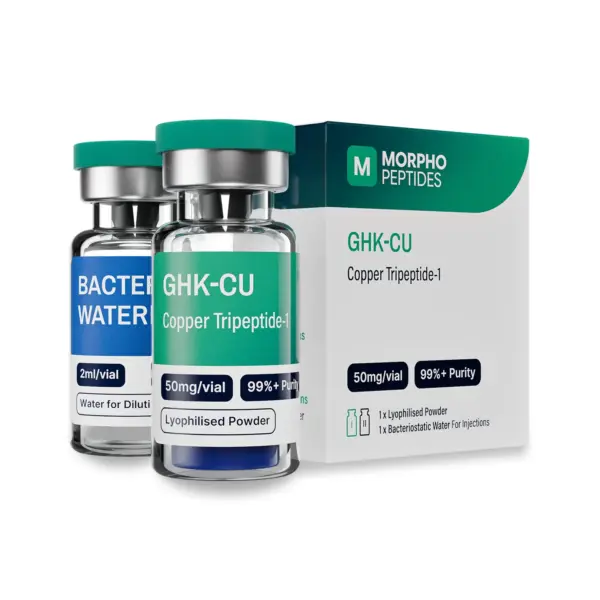
Antienvejecimiento
GHK-Cu / Copper Peptide
Copper tripeptide for skin rejuvenation, collagen synthesis, and wound healing.
13 péptidos de grado farmacéutico para pérdida de peso, recuperación, longevidad y rendimiento. Verificados de forma independiente en laboratorio, embalaje discreto y envío el mismo día desde nuestras instalaciones europeas.
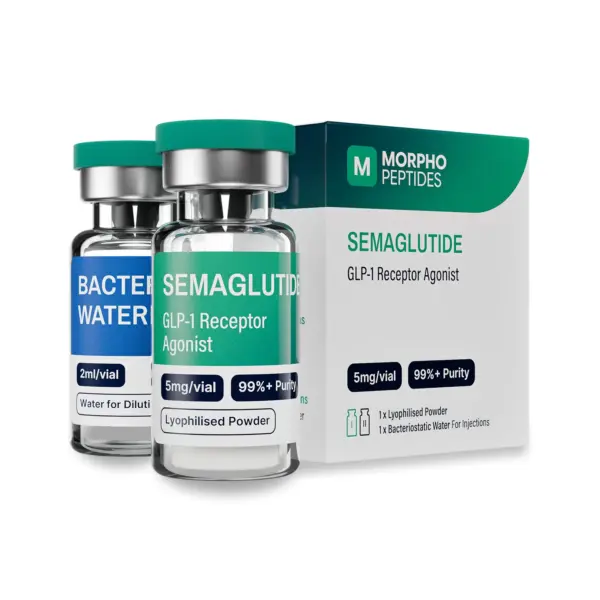
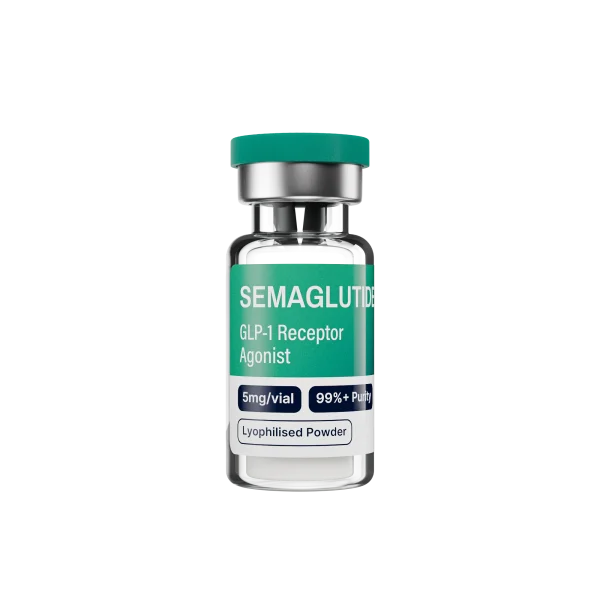
 paquete
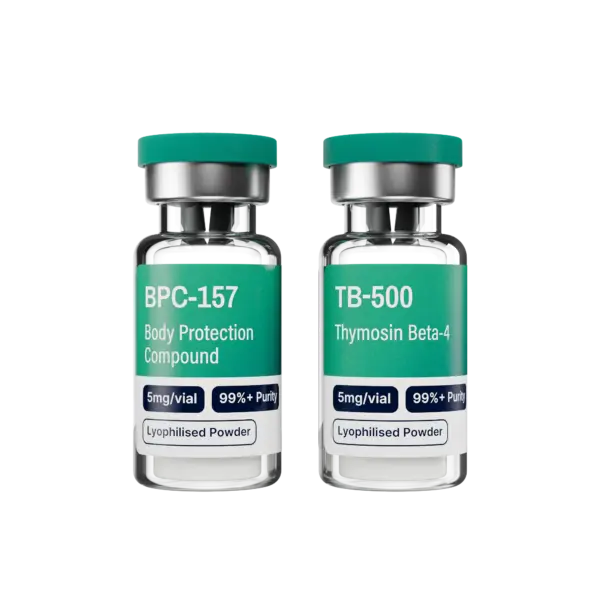
 paquete
 paquete
 paquete
Cada péptido tiene un objetivo específico. Empieza por tu meta.
Agonistas GLP-1, GIP y glucagón para una pérdida de grasa eficaz
2 péptidosBPC-157 y TB-500 para la reparación y curación de tejidos
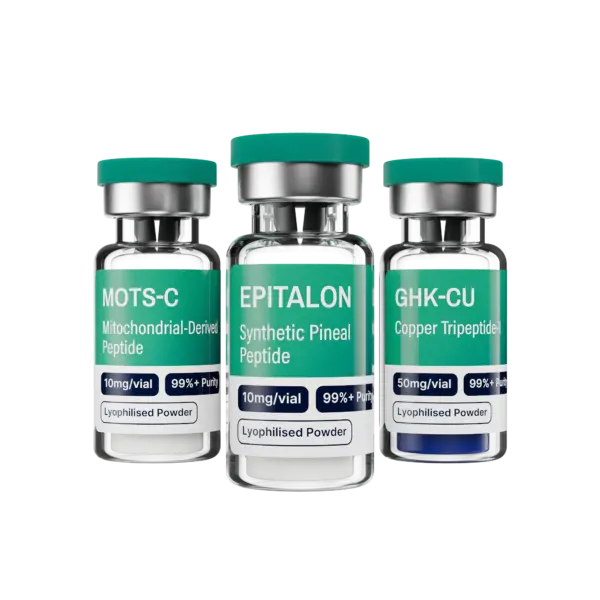
3 péptidosSoporte de telómeros, colágeno y mitocondrias
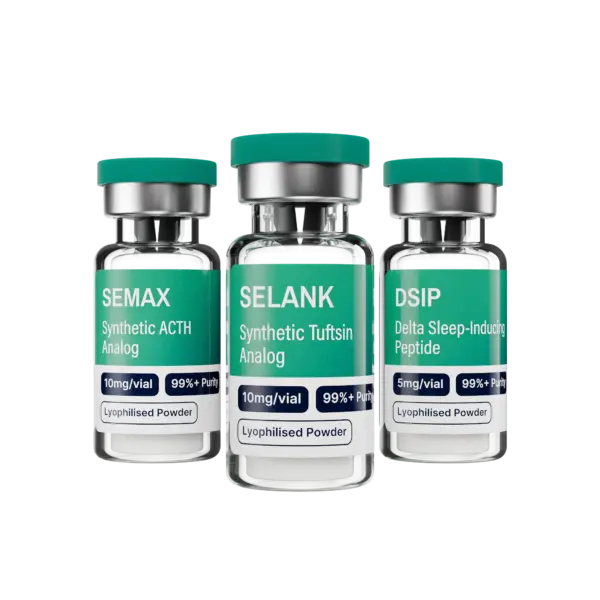
2 péptidosSemax y Selank para concentración y claridad mental
1 péptidoDSIP para un sueño profundo y reparador sin sedación
1 péptidoMelanotan II para un bronceado natural potenciado por melanina
1 péptidoPT-141 para la mejora neurológica de la libido
Del pedido a la inyección – sencillo y acompañado en cada paso
Explora por categoría u objetivo. Cada página de producto incluye descripciones detalladas, guías de dosificación y preguntas frecuentes para que sepas exactamente qué estás comprando y cómo usarlo. ¿No estás seguro? Empieza por nuestra sección de Guías.
Los pedidos se envían el mismo día (antes de las 14:00 CET) desde nuestro almacén en la UE en embalaje sin identificar. Alemania: 2–3 días. Francia, Italia: 3–5 días. Toda la UE: 5–7 días. Envío gratuito en pedidos superiores a €250.
Cada producto tiene una guía de uso dedicada y nuestra calculadora de péptidos gratuita te da las medidas exactas de reconstitución y dosificación. Sin suposiciones.
Opiniones reales de clientes europeos verificados
«Cambié de un proveedor de EE. UU. a MorphoPeptides y la diferencia es abismal. La semaglutida llegó en 3 días a Múnich, perfectamente embalada. Se reconstituyó limpiamente, los resultados han sido consistentes. La guía de dosificación en la página del producto fue increíblemente útil como usuario primerizo.»
«Llevo usando el stack BPC-157 + TB-500 para una lesión de hombro que el fisioterapeuta no pudo solucionar en 6 meses. Con tres semanas de uso, la mejora es notable. Puedo levantar el brazo por encima de la cabeza de nuevo sin dolor. Pedí una segunda ronda de inmediato. Envío rápido a París.»
«La calculadora de péptidos por sí sola distingue a MorphoPeptides. Antes me estresaba con los cálculos de reconstitución cada vez – ahora tarda 10 segundos. Pedí Semax y Selank para concentrarme durante mi doctorado. Ambos se reconstituyeron perfectamente, los efectos son limpios y fiables. No volveré a mi proveedor anterior.»
No solo vendemos péptidos – nos aseguramos de que puedas usarlos con confianza
Cada lote testado por un laboratorio externo para pureza, identidad y esterilidad. Certificado de Análisis disponible por producto.
Pedidos antes de las 14:00 CET salen el mismo día desde nuestro almacén en la UE. 2–3 días Alemania, 3–5 días Francia e Italia. Sin aduanas dentro de la UE.
Guías detalladas por producto, protocolos de dosificación por categoría y una calculadora de reconstitución gratuita. No te dejamos adivinar.
Embalaje sin identificar, descriptor de cobro genérico, pago encriptado. Tu privacidad está protegida en cada paso del proceso.

Todo lo que necesitas saber sobre el péptido que transformó el control de peso.

Cómo el péptido gástrico se convirtió en el compuesto de curación más popular en medicina deportiva.
MorphoPeptides es el proveedor especialista de Europa en péptidos de investigación de grado farmacéutico. Servimos a investigadores y entusiastas del bienestar en Alemania, Francia, Italia y la Unión Europea en general, con una selección de 13 péptidos premium que abarcan control de peso, recuperación y curación, antienvejecimiento y longevidad, mejora cognitiva, optimización del sueño, bronceado y salud sexual.
Cada péptido que vendemos se somete a análisis de laboratorio independiente de terceros para verificar pureza (≥98% garantizada), identidad y esterilidad. Publicamos metodologías de análisis y referenciamos Certificados de Análisis en cada página de producto porque creemos que los clientes informados toman mejores decisiones. Nuestra sección de Guías contiene guías detalladas, resúmenes de investigación clínica y protocolos de dosificación para cada producto – no como marketing, sino como recurso educativo genuino.
El envío desde nuestro almacén en la UE significa sin tramitación aduanera, sin aranceles de importación, y tiempos de entrega de 2–7 días laborables según tu ubicación. Todos los pedidos se despachan en embalaje discreto y sin identificar con materiales de protección térmica. El pago se procesa a través de sistemas encriptados y conformes con PCI con un descriptor de cobro genérico para tu privacidad.
Ya sea que investigue agonistas GLP-1 como semaglutida para estudios metabólicos, explore BPC-157 y TB-500 para investigación de reparación de tejidos, o investigue la activación de la telomerasa con Epitalon – MorphoPeptides proporciona la calidad, transparencia y apoyo que los investigadores serios requieren.
Todo lo que necesitas saber antes de realizar tu primer pedido